
News & events
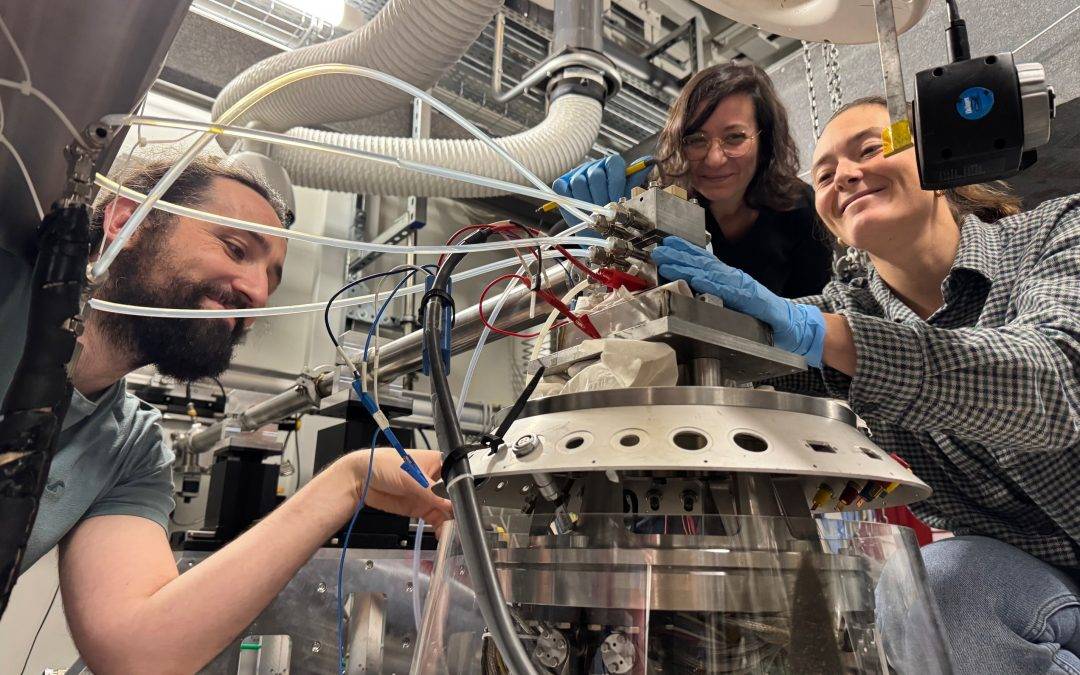
NIMPHEA advances with Operando Experiments at the ESRF Synchrotron
Within the NIMPHEA project, we are conducting operando synchrotron experiments on High-Temperature Proton Exchange Membrane Fuel Cells (HT-PEMFCs) at the ID31 beamline of the European Synchrotron Radiation Facility (ESRF).
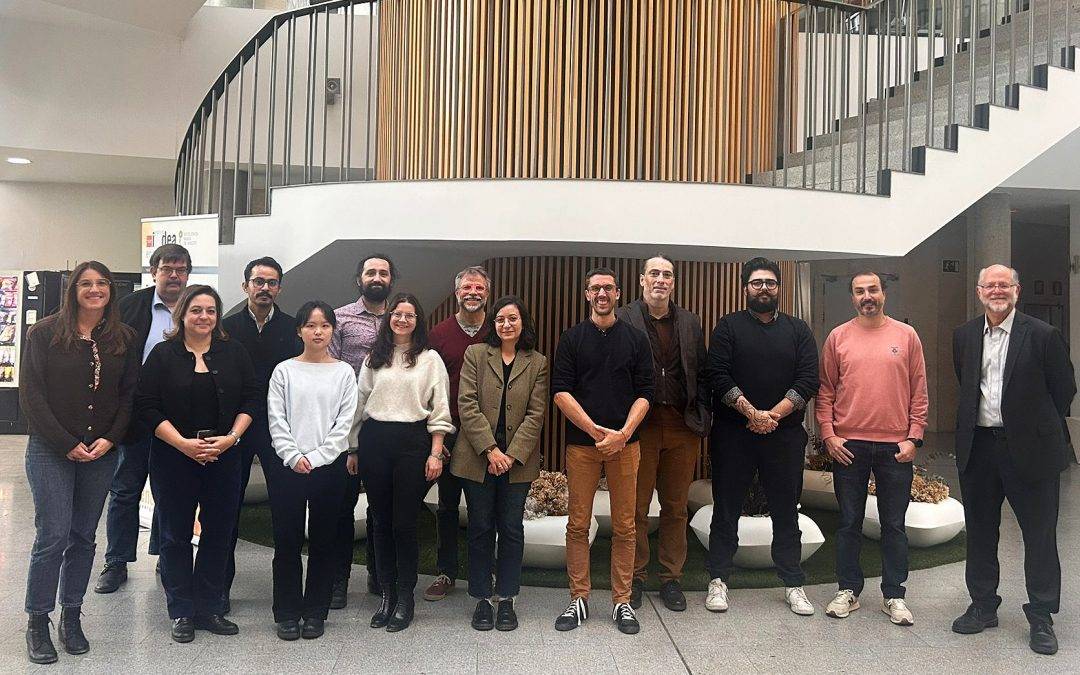
NIMPHEA Consortium holds General Assembly meeting at IMDEA Energy
The NIMPHEA consortium gathered at IMDEA Energy Institute (Mostoles, Spain) for its latest General Assembly meeting, bringing together all partners to review progress and plan the next steps in the project’s development.

NIMPHEA Project at Vienna Aviation Days 2025
On 7-8 July 2025, the NIMPHEA coordinator participated to the Vienna Aviation Days 2025 organised by the ExFan project.

NIMPHEA Project partners gather for its fifth General Assembly in Patras!
On 11-12 June 2025, the NIMPHEA partners gathered for the fifth General Assembly meeting at Advent in Patras (Greece).

NIMPHEA Project Partners Gather to Drive Innovation Forward
On 9-10th December 2024, the NIMPHEA partners gathered for the fourth General Assembly meeting at CEA in Grenoble (France).
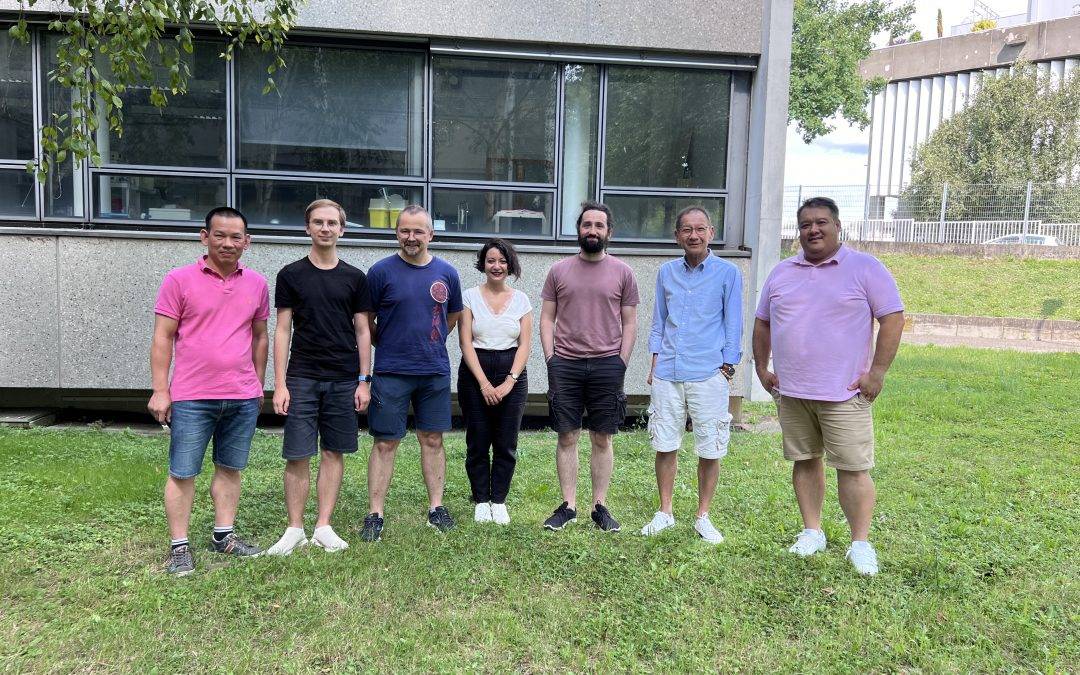
Meet NIMPHEA partner: ICPEES (CNRS and Unistra)
The Institute of Chemistry and Processes for Energy, Environment and Health (ICPEES) is a joint unit between the French National Research Council (CNRS) and the University of Strasbourg (Unistra), focusing on key topics such as catalysis and materials, polymer engineering and molecular chemistry and analytics.

Safran PU participation to the Vienna Aviation Days !
NIMPHEA coordinator has been invited to the Vienna Aviation Days

NIMPHEA third General Assembly in Pfinztal!
On June 26th and 27th, the NIMPHEA project held its third General Assembly meeting at Fraunhofer in Pfinztal (Germany).
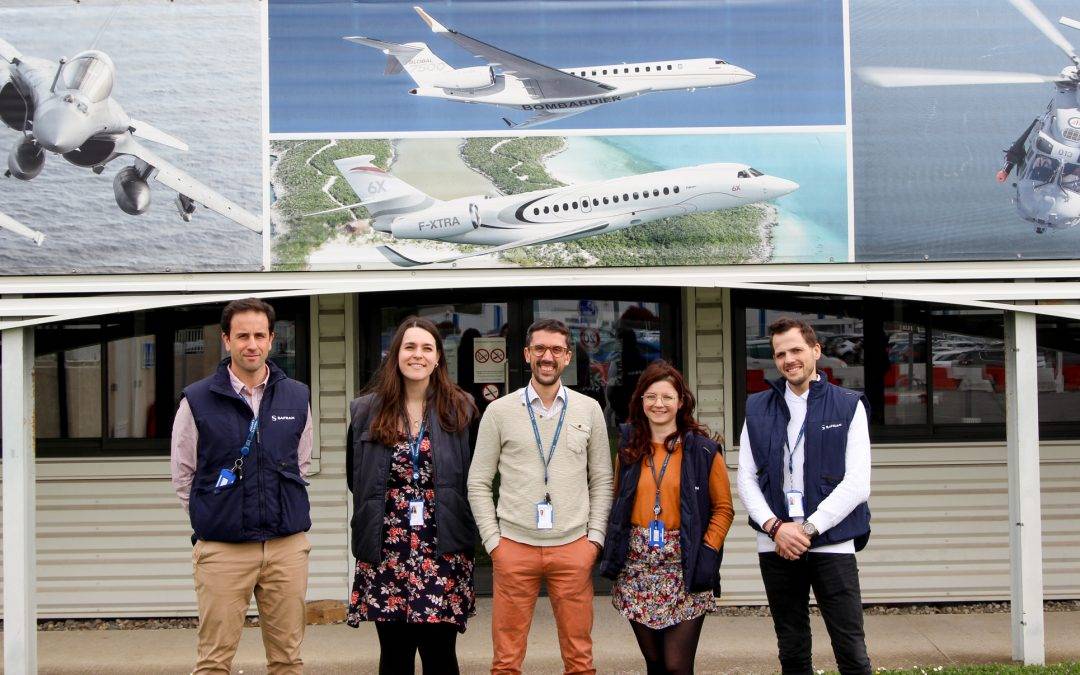
Meet NIMPHEA partner and coordinator: Safran Power Units
Safran Power Units is Safran Group Fuel Cell center of excellence: it aims to mature this very promising technology for the decarbonization of aviation
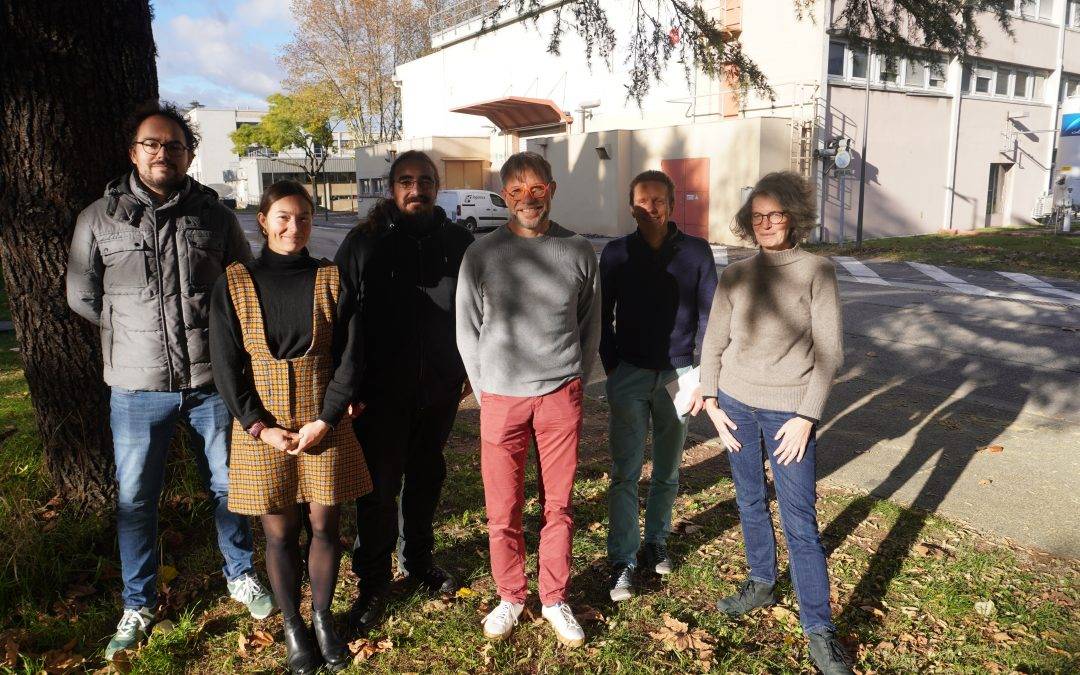
Meet NIMPHEA partner: CEA-Liten
CEA-Liten is involved in several aspects of the NIMPHEA project and will support the development of high-temperature MEAs