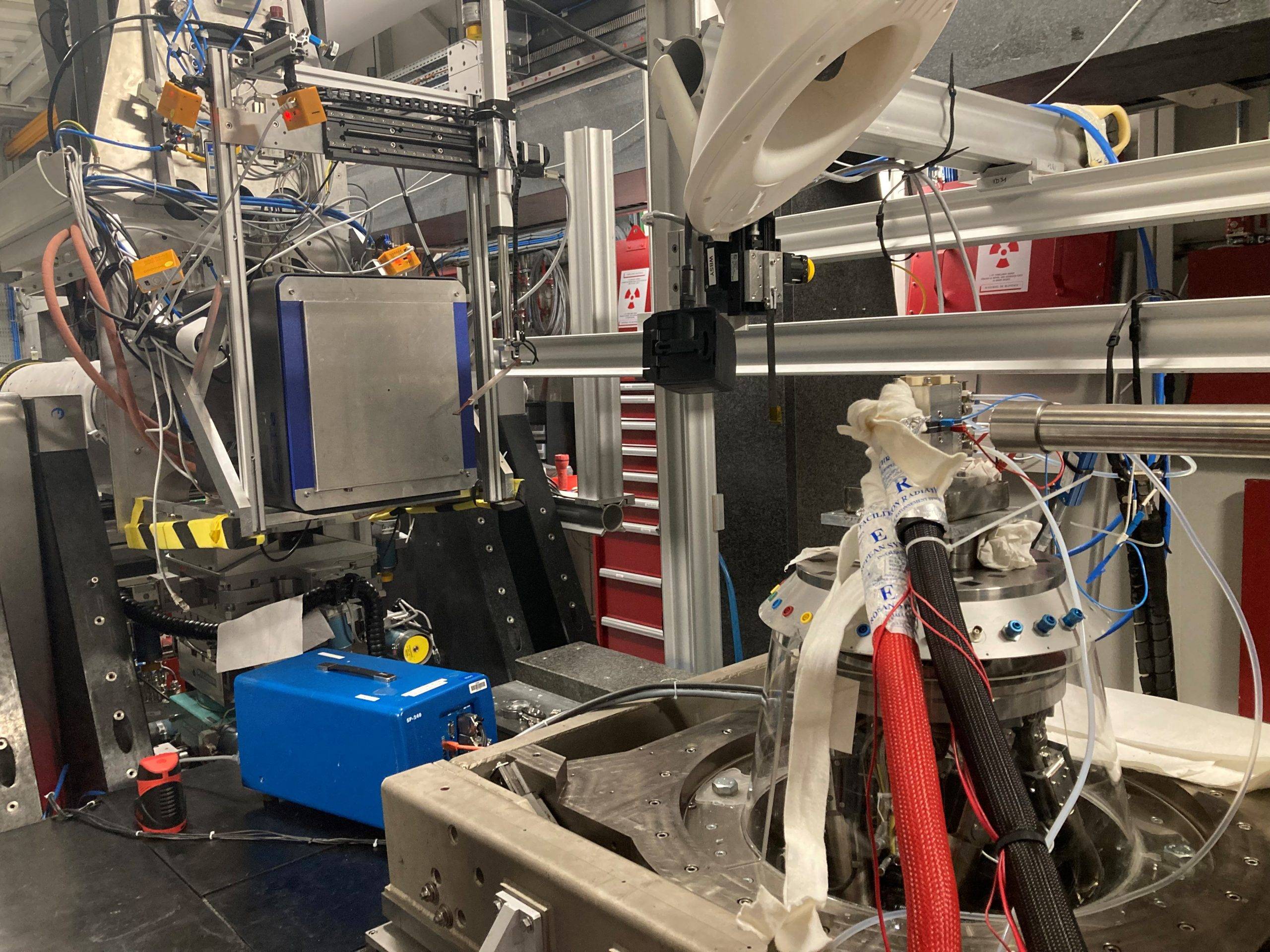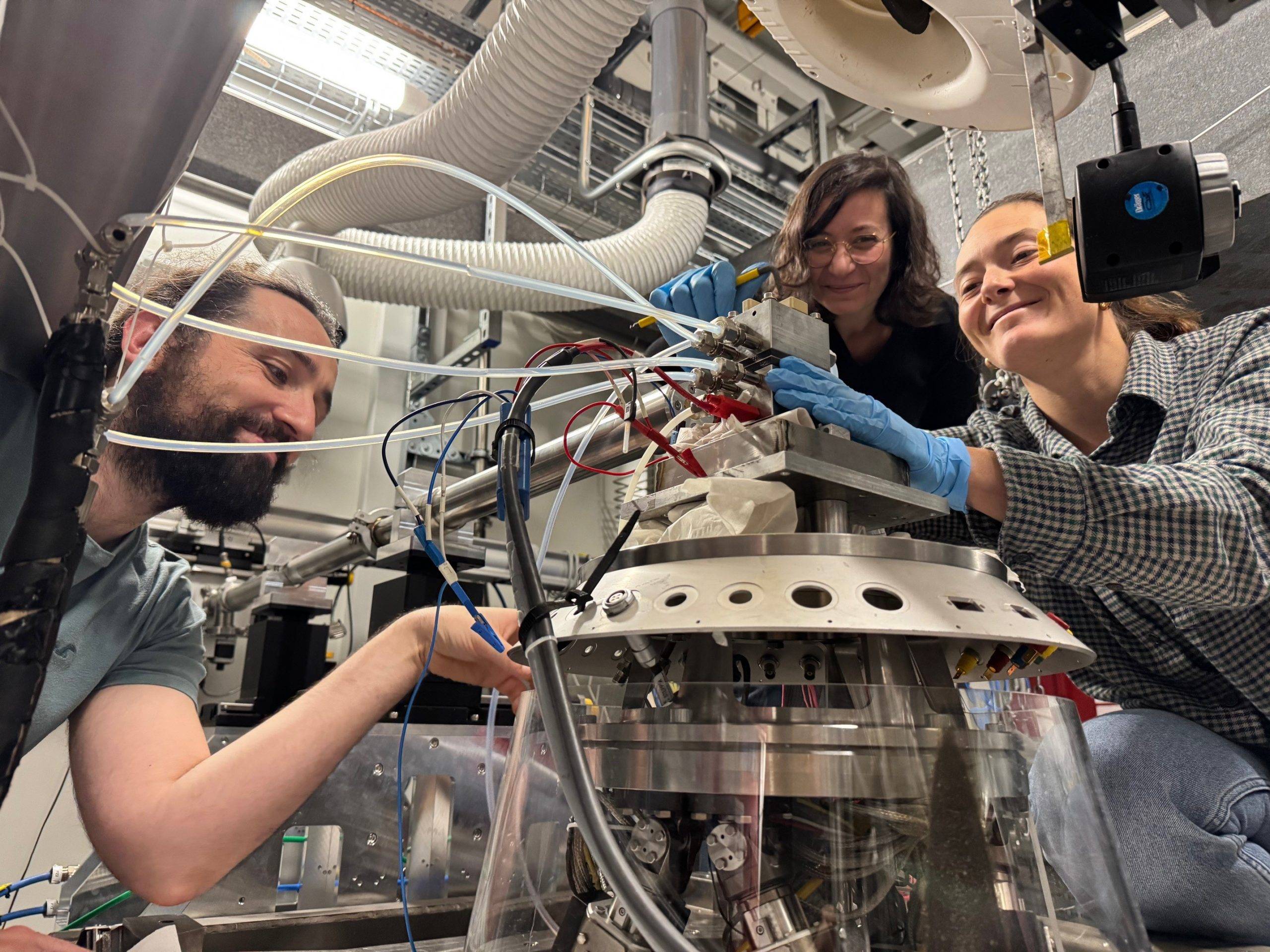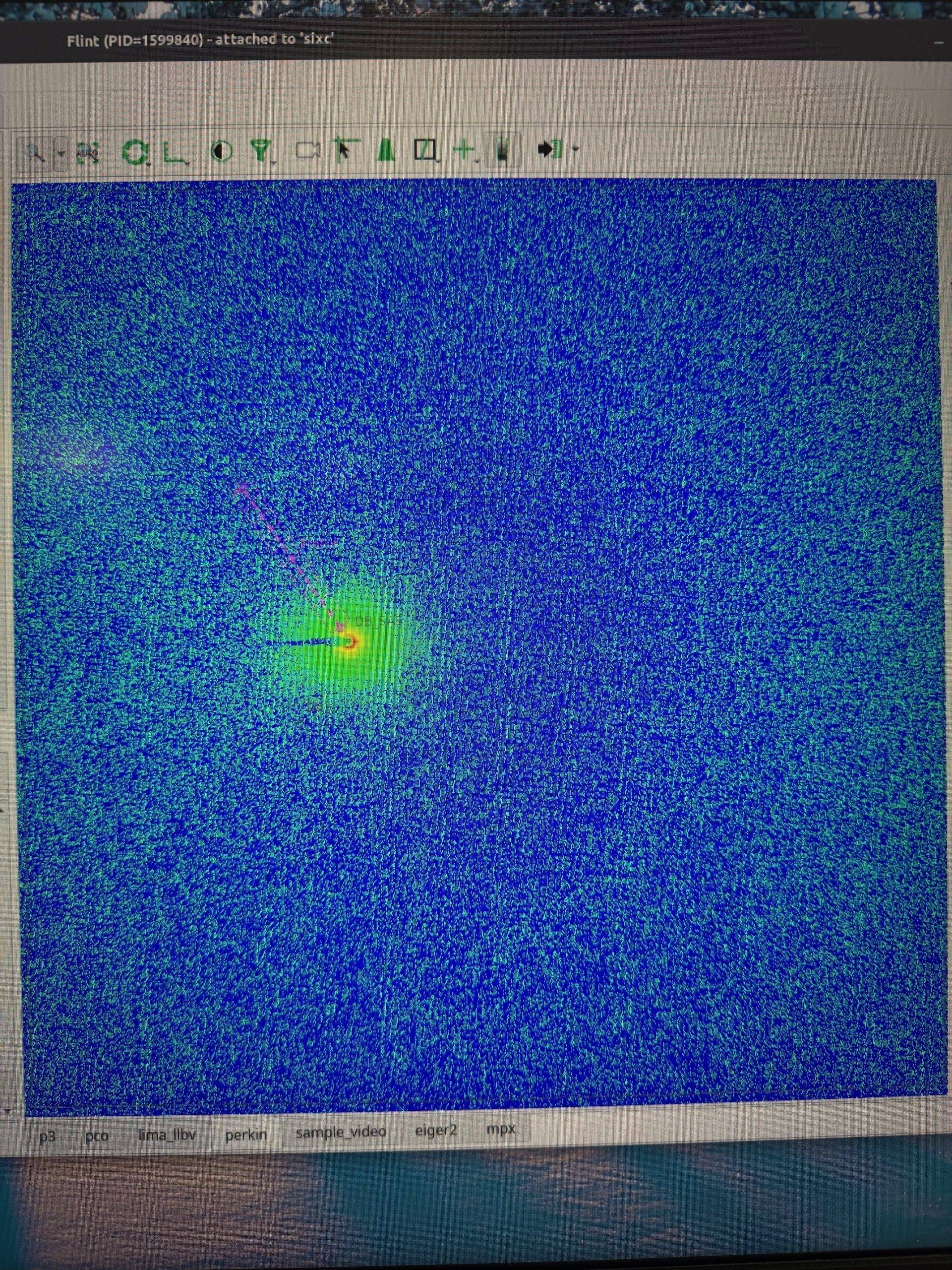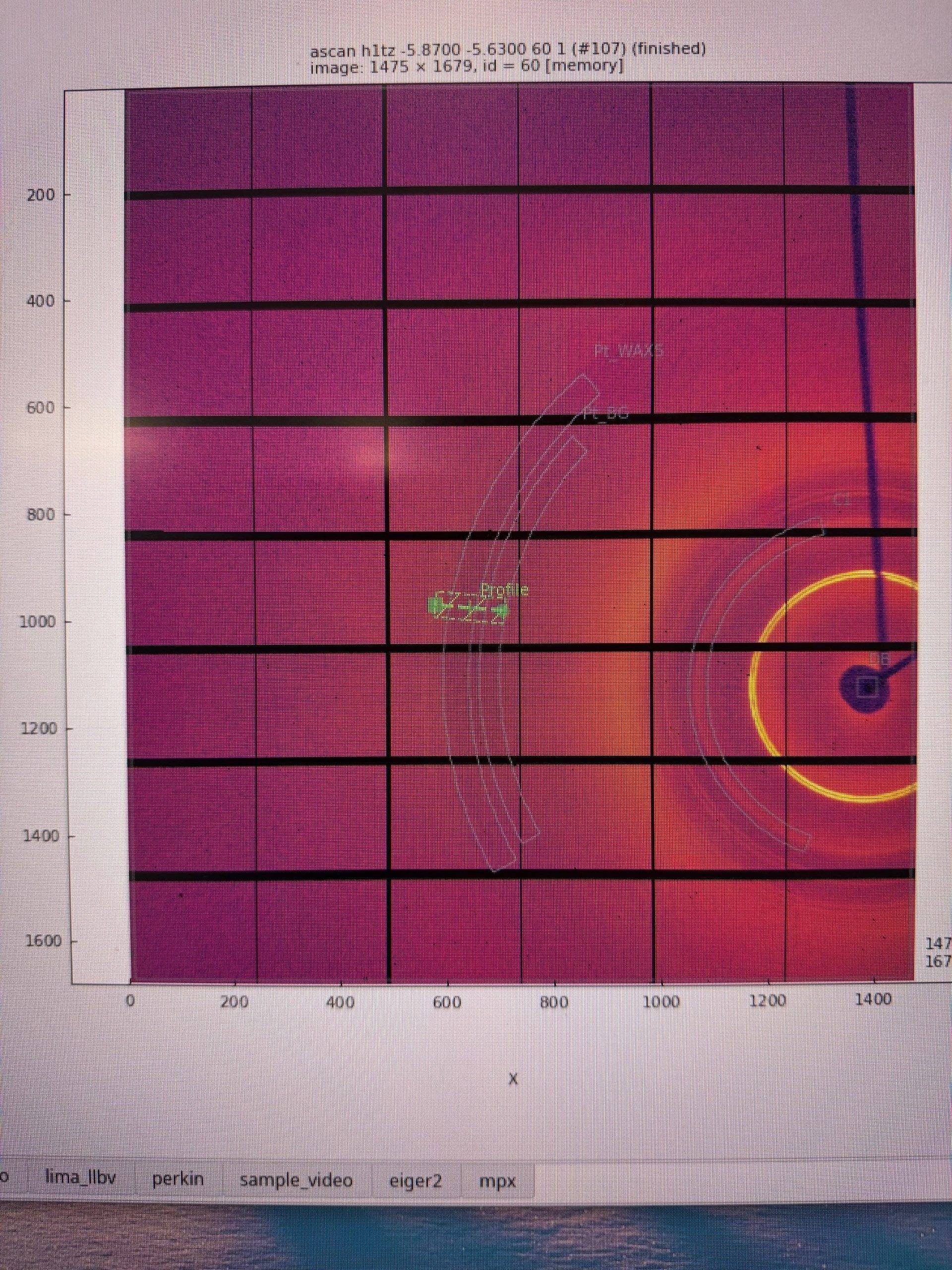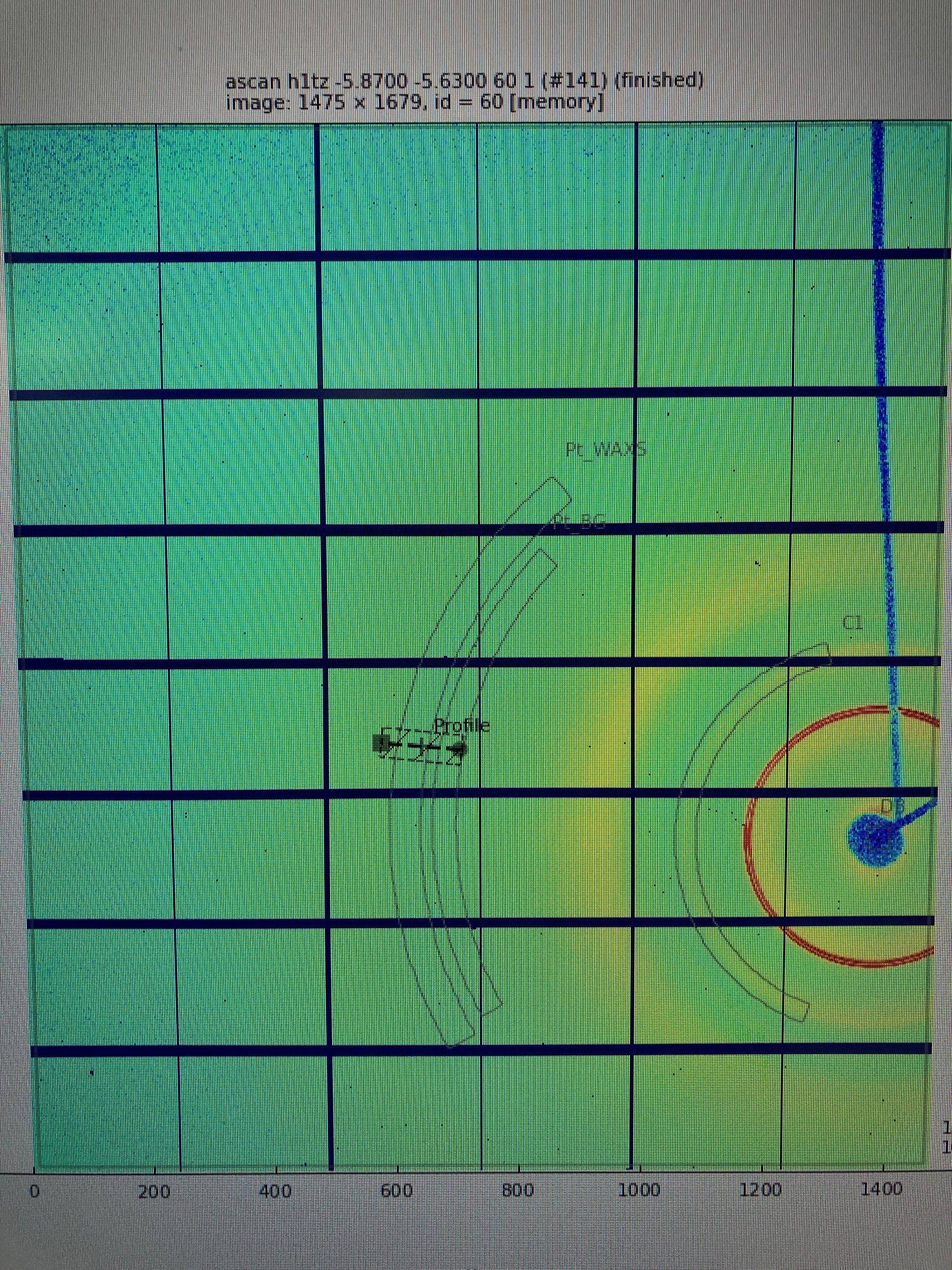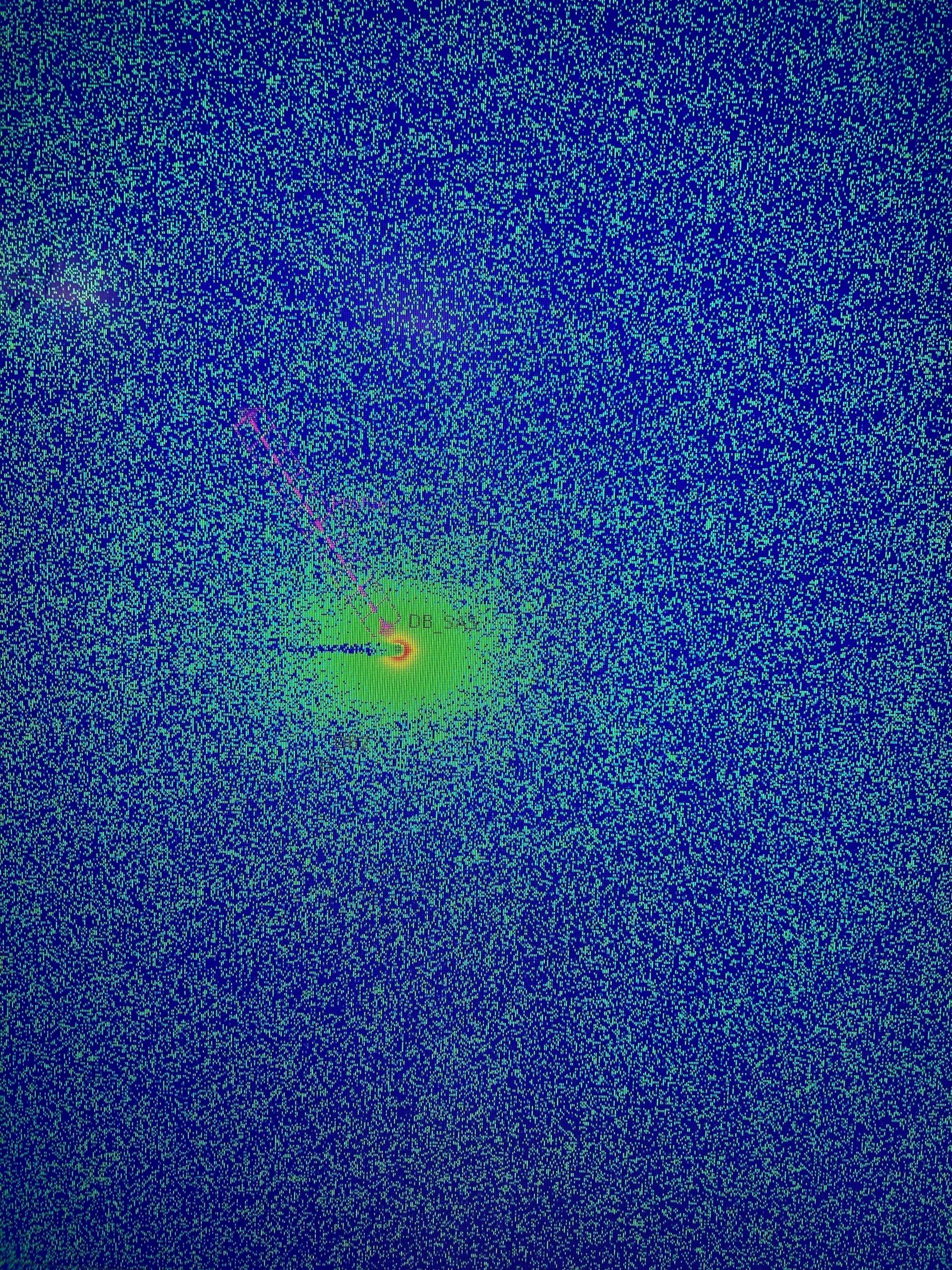
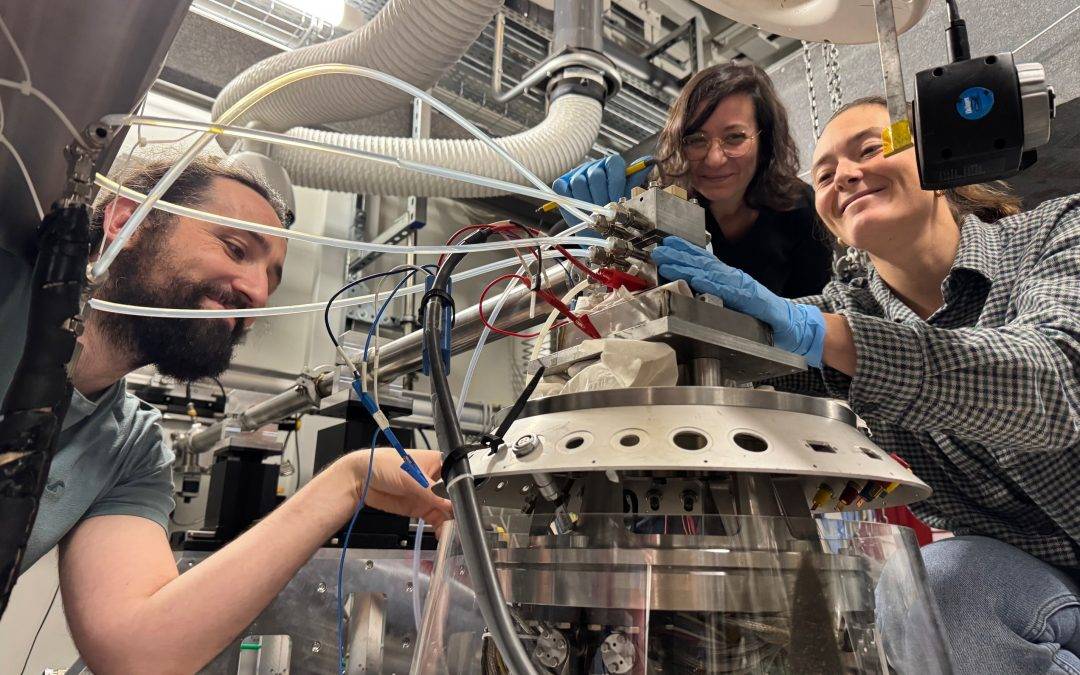
As part of the NIMPHEA project, the consortium is conducting operando synchrotron experiments on High-Temperature Proton Exchange Membrane Fuel Cells (HT-PEMFCs) at the ID31 beamline of the European Synchrotron Radiation Facility (ESRF). The focus is on characterizing the structural evolution of the fuel cell components—anode, cathode, and membrane—at both the atomic and nanometer scales, under representative operating conditions. These unprecedented and original experiments are pivotal for understanding the phenomena that limit performance and durability, enabling us to design more efficient and robust HT-PEMFC systems, particularly for the challenging demands of aviation applications
These experiments mark a major milestone for the NIMPHEA project and highlight the importance of advanced research infrastructures like the ESRF in enabling innovation. By combining synchrotron characterization, advanced modeling, and system-level expertise, the project is actively contributing to the transformation of hydrogen technologies for sustainable transport.